
In this article

Start with where you use it
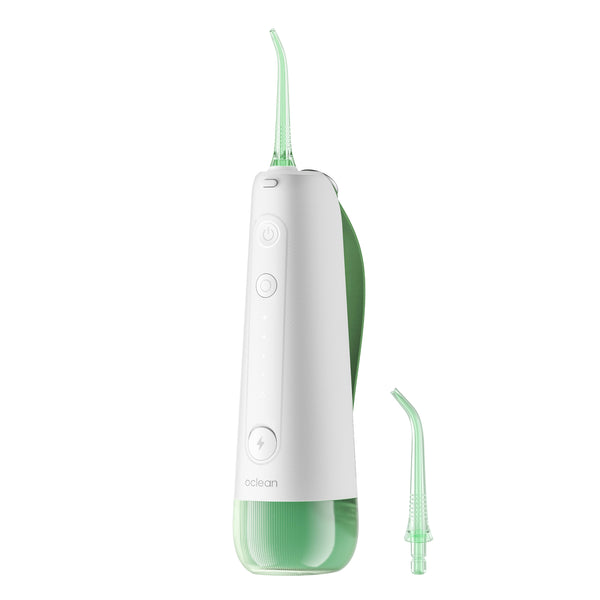
Picture your usual sink and the space around it. A countertop device needs a stable place to sit and usually a nearby power outlet. A cordless model gives you more options for handling and storage.
Think about both using the flosser and putting it away.
Compare the formats
| Everyday detail | Cordless | Countertop |
|---|---|---|
| Power setup | Usually a rechargeable battery | Usually plugs into an outlet |
| Storage | A handheld device you can put away | A base designed to sit near a sink |
| Travel | Often easier to pack | Usually a larger packing commitment |
| Reservoir and settings | Check the individual model | Check the individual model |
Related guide: compare the cordless A10 and W10.
Look beyond the size
Compare the controls, compatible accessories, care instructions, and handling. More settings or a larger tank do not automatically make a device the right fit for every person.
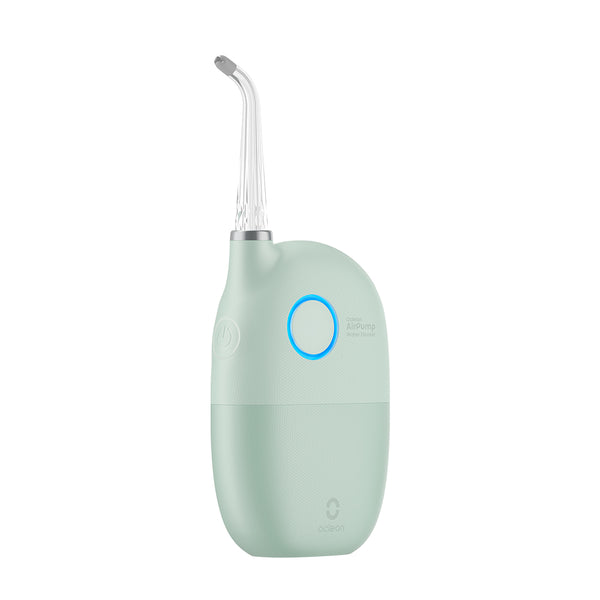
For a compact cordless option, take a closer look at the AirPump A10.
Choose the format you will use
Start with practical needs: available space, packing habits, and the way you prefer to handle a device. If you have a specific dental concern, get advice on the tool and technique that suit you.
Related guide: a water-flosser selection checklist.

Frequently asked questions
Are cordless flossers only for travel?
No. Many people choose them for everyday use as well as for packing.
Does a bigger tank mean a better choice?
Tank size is only one factor. Look at the complete device and your own routine.