
In this article

Start with the kind of discoloration
A darker smile does not automatically mean you have failed to clean your teeth. The American Dental Association's whitening overview distinguishes stains on the outside of a tooth from changes within its structure. Coffee and tea can contribute to surface staining; natural tooth color and other causes of discoloration also matter.
That difference changes the question to ask. Instead of looking for one brush setting that will make every tooth white, ask whether you are seeing removable surface stain, a change that needs assessment, or a combination. A photograph or mirror check cannot reliably make that diagnosis.

Keep everyday care consistent
The starting point is a routine you can maintain rather than an occasional intensive scrub. Brush with fluoride toothpaste, clean between teeth, and keep the dental appointments recommended for you. See the ADA's brushing guidance for the basic technique and daily care recommendations.
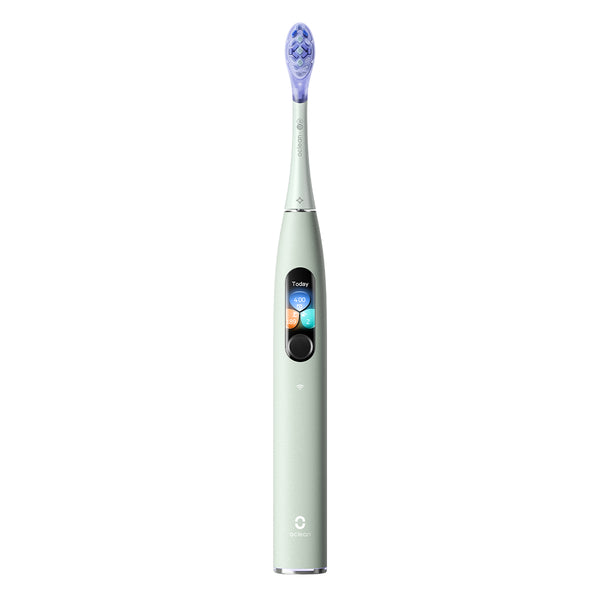
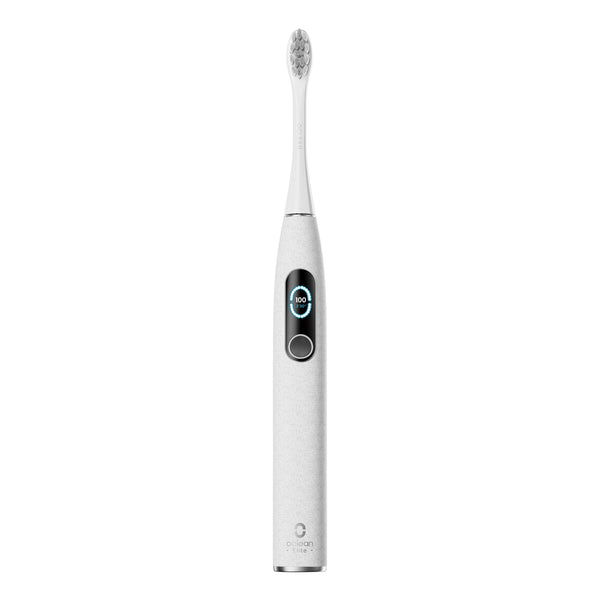
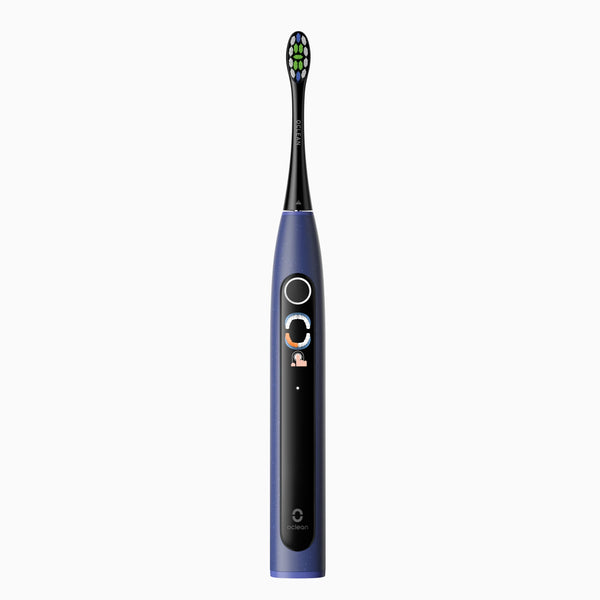
For your own setup, put the brush and toothpaste where you can reach them easily and check that the head is still in good condition. If using an electric brush, follow its instructions for positioning and movement. More pressure is not a useful substitute for reaching every surface. Our gentle brushing guide helps you review those small details.
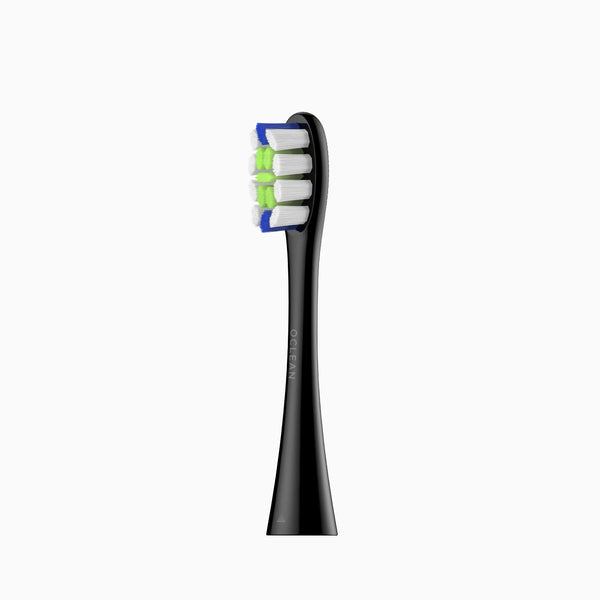
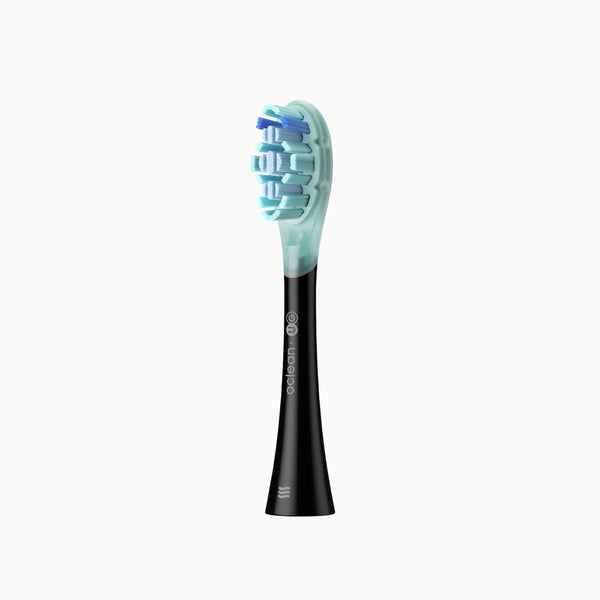
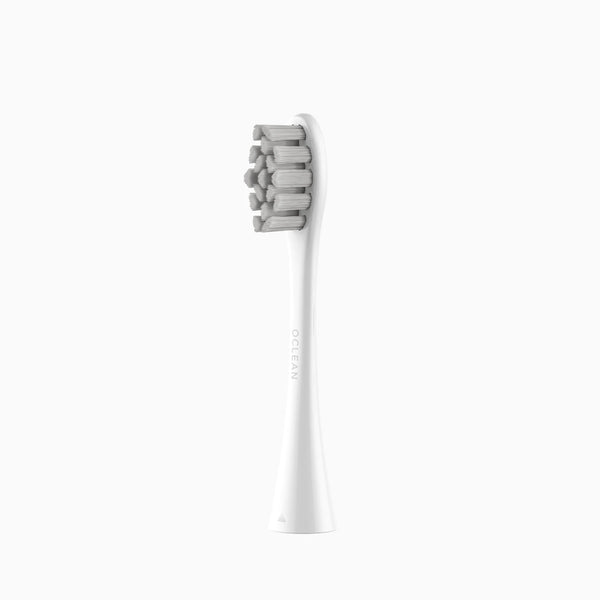
When your current head is worn, check Oclean Professional Clean brush heads for a compatible replacement that supports your regular brushing routine.
Separate stain removal from bleaching
The product label should explain what the product is intended to do. A stain-removal toothpaste and a bleaching treatment are different options. The ADA's patient guide to whitening explains the distinction and notes that whitening does not change the color of fillings, crowns, veneers, or other restorations.
Before buying, write down what you want to change and any sensitivity you already experience. Bring the exact product name to your dental visit. That is more useful than combining several whitening products because their packaging makes similar promises. Follow the directions for whichever approach your dental professional recommends.
Leave kitchen scrubs out of the routine
A food ingredient is not automatically a suitable dental treatment. The ADA's review of natural whitening ideas warns about acidic fruit or vinegar applied to teeth and overly abrasive scrubbing. These approaches do not offer a dependable shortcut to a brighter smile.
Avoid improvising a stronger treatment when an ordinary product does not produce the result you expected. Check what the product can realistically address, review its directions, and ask for advice. The aim is to choose an appropriate method, not to test increasingly harsh combinations on your teeth.
Related guide: how to protect tooth enamel.
Make your next dental visit more useful
Tell the dental team which drinks you regularly enjoy, when you noticed the color change, and whether one tooth looks different from the others. Mention previous whitening, restorations, and sensitivity. These details help frame the conversation without assuming that the drinks are the only explanation.
Ask what can be addressed with professional cleaning, whether whitening is appropriate, and what maintenance would involve. For care at home, keep the plan simple enough to repeat. A realistic discussion of cause, options, and expectations is more helpful than a promise to erase every coffee stain with a toothbrush.
Frequently asked questions
Will an electric toothbrush remove every coffee stain?
No brush can be expected to correct every type of discoloration. A suitable brushing routine supports daily cleaning, while the cause and extent of staining determine whether professional cleaning or another approach is appropriate.
Should I brush harder when my teeth look stained?
No. Use gentle technique and follow your brush's instructions. If the appearance is not changing, review the cause and treatment options with your dental professional instead of increasing pressure.
Can I whiten teeth that have crowns or fillings?
Whitening does not change the color of restorations in the same way as natural teeth. Ask your dentist how the appearance of your existing dental work affects a whitening plan.