
In this article
Check what can be cleaned, and how
Before choosing a cleaning method, identify the exact brush and read its care instructions. The handle, removable head, charging equipment, and travel accessories may require different treatment. A method that seems convenient for one part may be unsuitable for another.
Look for the manufacturer's guidance on rinsing, wiping, drying, and cleaning products. Avoid assuming that a device can be immersed, placed in a dishwasher, or treated with a household disinfectant. If the instructions are unclear, check with support before trying a method that could damage the product.
How to clean a manual toothbrush
For a manual toothbrush, rinse away toothpaste and debris after brushing. Stand the brush upright and let it air dry. Keep it for your own use, and avoid closing a damp brush inside a container.
The American Dental Association's toothbrush-care guidance advises against dishwasher or microwave cleaning because heat may damage the brush. Follow the manufacturer's instructions for any additional care.
Give after-brushing care a clear place
Make the recommended care steps part of finishing your brushing session. Follow the manual for rinsing or cleaning the brush head, removing it when directed, and caring for the connection area. Put each part down where it can dry and be stored as instructed.
Keep the routine simple enough to repeat. Moving directly from brushing to a crowded bag or drawer can make it harder to inspect and care for the parts. Give the brush a stable place and keep shared household items from obscuring or confusing individual brush heads.
Related guide: cleaning an electric toothbrush head.
Remember the charging area and accessories
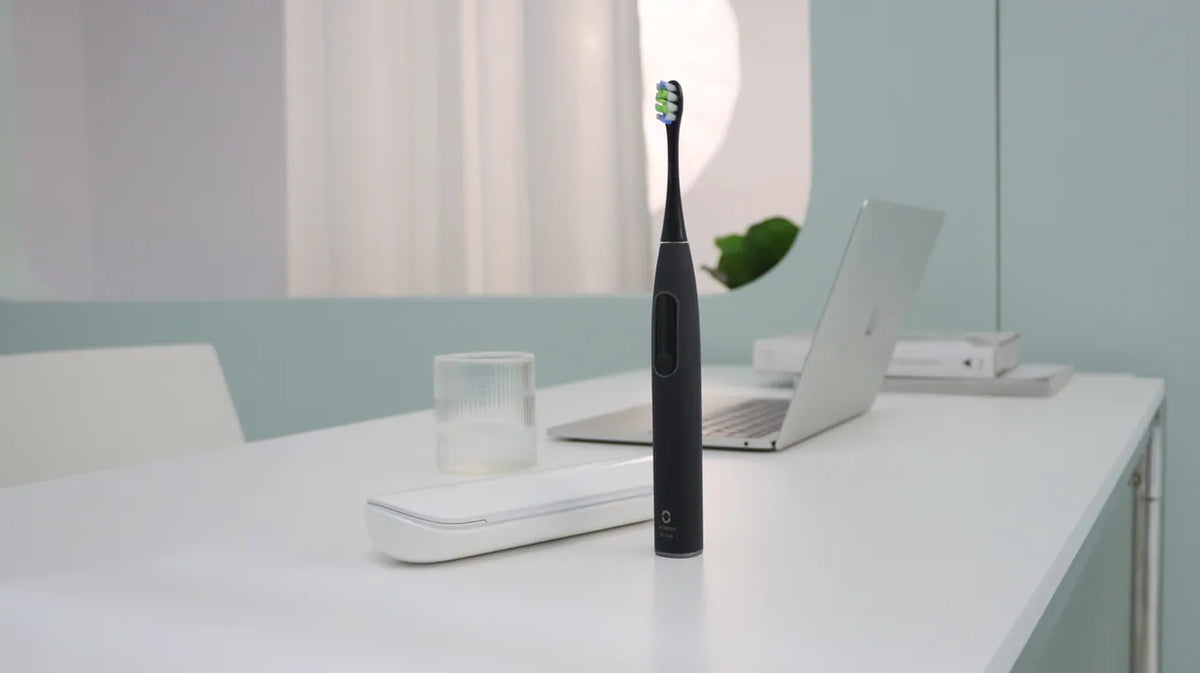
A clean handle can still sit in a cluttered space. Inspect the area around the brush and follow the separate care instructions for its charging accessory or travel case. Follow the manual's electrical safety instructions before cleaning charging equipment.
- Keep the correct charging accessory identifiable.
- Remove unrelated items that make the brush difficult to reach.
- Check how the travel case should be cleaned and dried.
- Keep each person's brush head clearly identified.
Use the manufacturer's directions for the equipment itself rather than treating every bathroom surface and accessory in the same way.

Inspect the parts while you care for them
Routine cleaning is a useful opportunity to notice changes. Look at the brush head, connection, handle, and charging accessory. If something appears damaged or does not behave as expected, check the troubleshooting instructions and contact support rather than forcing a part or continuing to improvise.
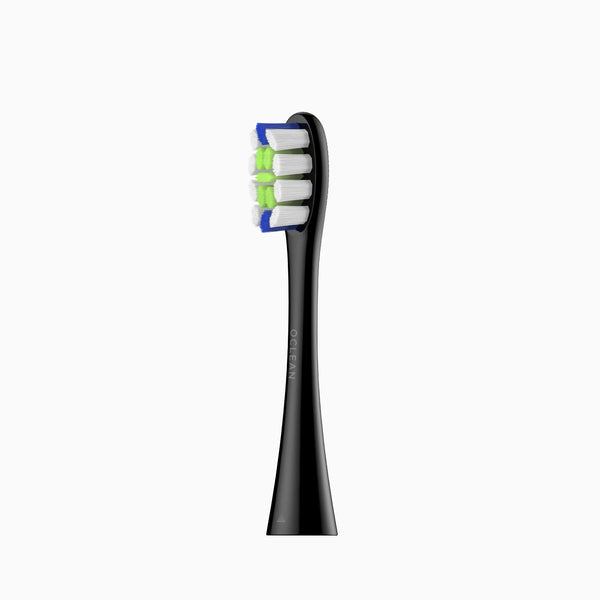
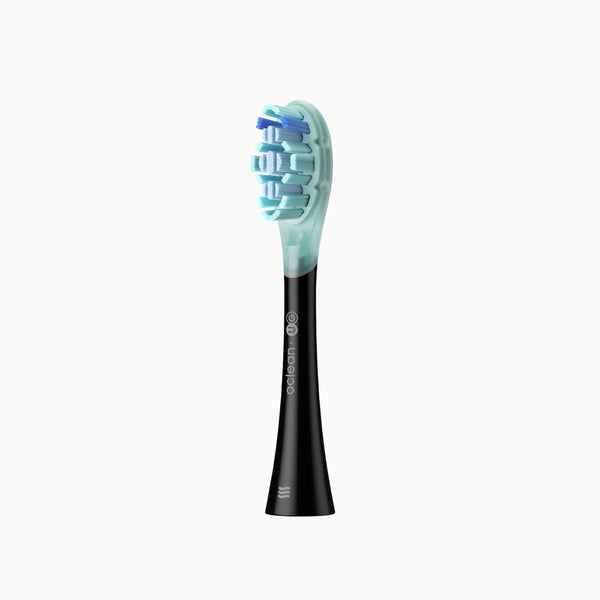
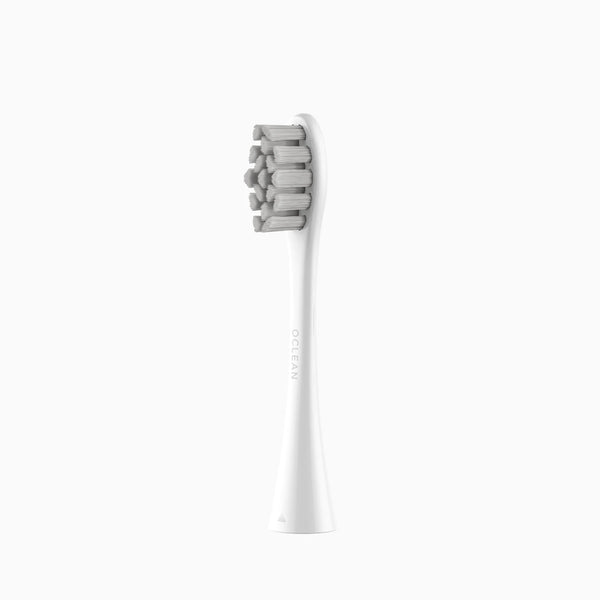
When a head needs replacing, confirm compatibility for your exact model. Read our brush-head replacement guide, and use the current US Ultra product information to identify the product you own. Keep the original instructions available for model-specific care decisions.
If care checks reveal a worn or damaged head, use the Oclean replacement brush heads listing to confirm a compatible refill.
Frequently asked questions
Can I clean the charging accessory the same way as the handle?
Do not assume the same method applies. Follow the charging accessory's own instructions, including any electrical safety steps before cleaning.
Can I use a strong cleaner to remove a mark?
Check the manufacturer's approved cleaning methods first. Avoid unconfirmed chemicals, high heat, or abrasive methods.
What if the head or handle looks damaged?
Check the supplied troubleshooting guidance and contact Oclean support. Avoid forcing a damaged connection or substituting an unconfirmed part.