
In this article
Two names, two different care questions
People often use plaque and tartar as if they mean the same thing. The CDC's gum-disease information makes the distinction: plaque is a removable film on teeth, while buildup that hardens into tartar needs professional treatment.
For a reader choosing a brush or toothpaste, that difference is important. A daily cleaning product should not be expected to perform the work of a professional scaling procedure. Start by identifying the question you need answered: how to clean more consistently at home, or what a deposit already present on a tooth actually is.
Make daily plaque care systematic
Use a route that covers all tooth surfaces instead of returning repeatedly to the easiest area. The ADA's brushing guidance recommends gentle care with soft bristles and fluoride toothpaste. Follow the handling instructions for your brush, including the movement appropriate for that model.
Then include cleaning between teeth with a suitable tool. Put that step into a part of the day when you can give it attention rather than leaving it to chance. If you regularly miss an area, ask for a demonstration at your dental visit. A practical correction is more useful than simply spending extra time scrubbing the front teeth.
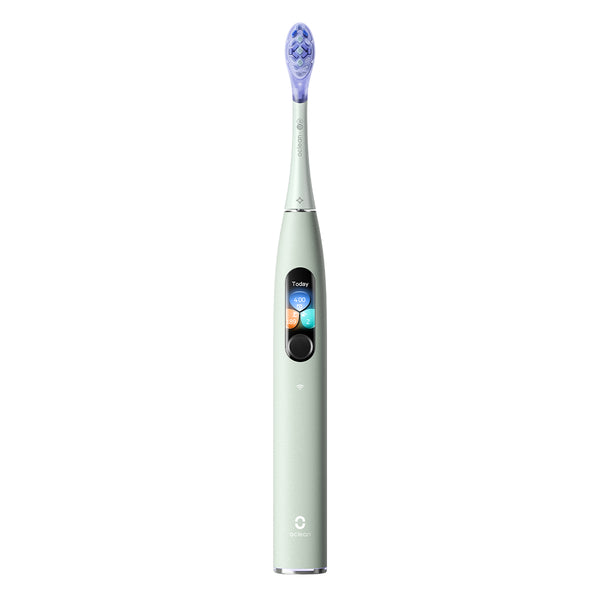
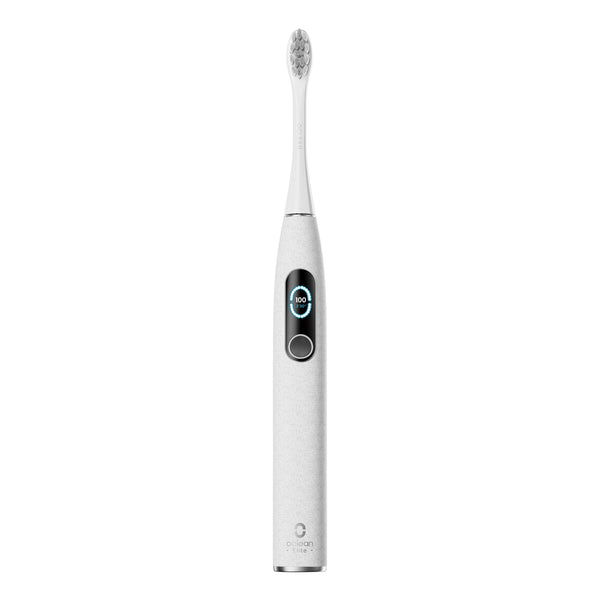
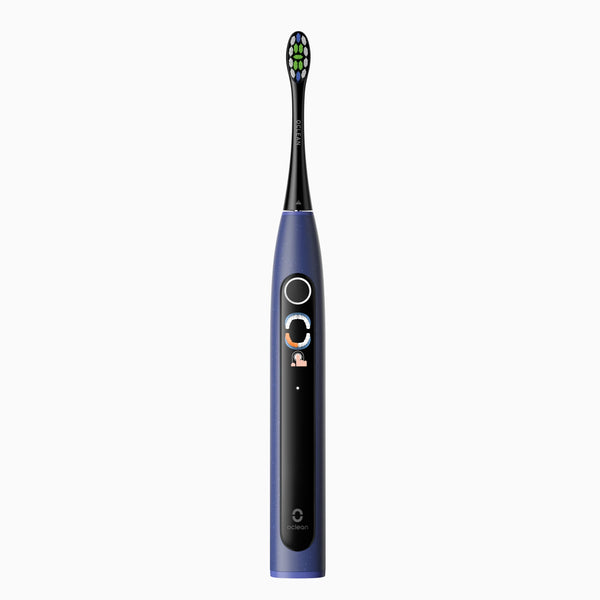
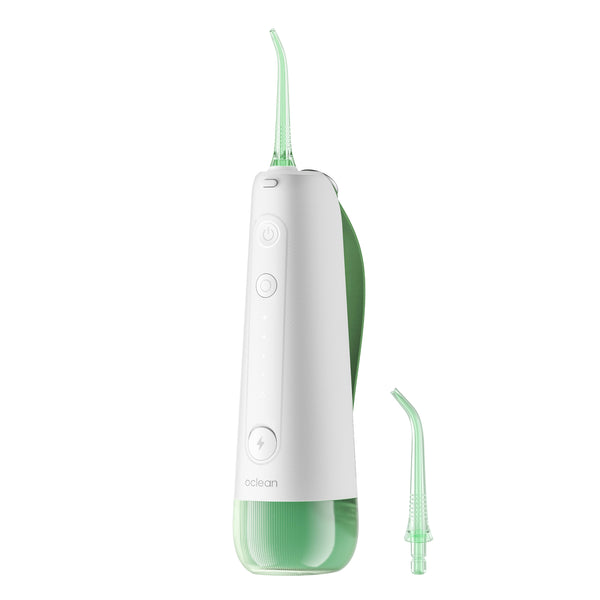
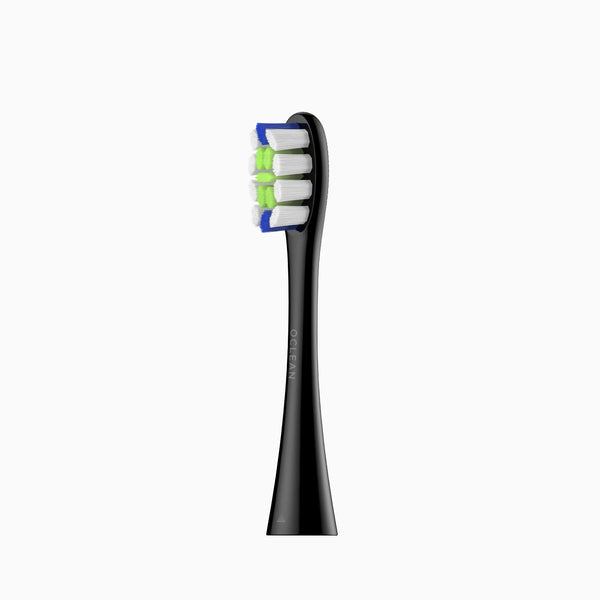
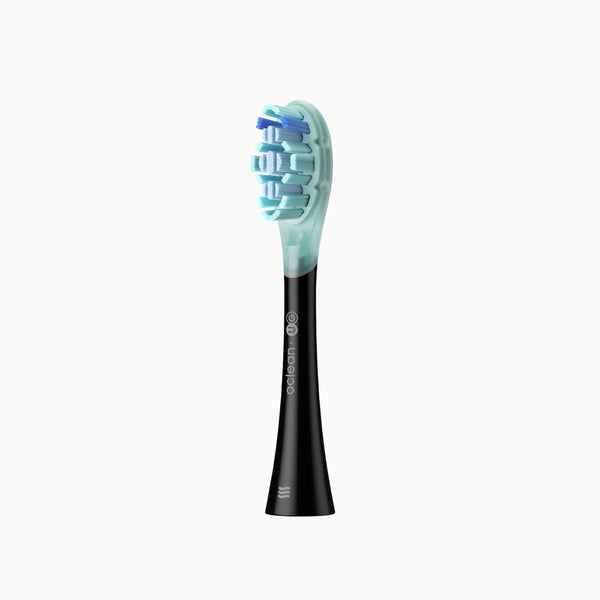
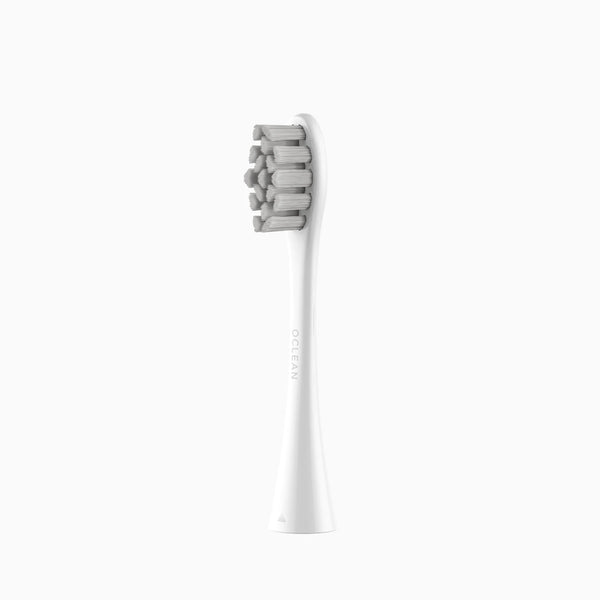
For a powered-brush option within your daily routine, compare the controls and compatible heads on the Oclean X Pro Elite US product page.
Related guide: a gentle and systematic brushing technique.

Leave hardened deposits to the dental team
According to NIDCR's gum-disease guidance, tartar can only be removed through professional cleaning by a dentist or dental hygienist. Do not expect a new brush, a water flosser, or a stronger mode to remove established tartar.
If you notice something hard or rough, arrange an assessment rather than trying to chip or scrape it away yourself. Describe where you feel it and whether there are accompanying changes. The dental team can explain what it is, what cleaning is needed, and which areas deserve attention in your home routine afterward.
Read prevention claims carefully
A label that discusses tartar control is not a promise to dissolve all existing deposits. The ADA's toothpaste overview describes different ingredient functions and product claims. Compare the intended purpose and directions rather than assuming that a stronger claim means a stronger cleaning technique is needed.
Keep the exact toothpaste name with the brush and head information you use. That makes a review with the dental team straightforward. If you are switching products, change the routine for a reason you understand and avoid adding several unfamiliar treatments at once because the packaging uses similar words.
Use the appointment to improve the next routine
Ask the dental team to point out the areas that need attention and show you a method you can repeat. Useful questions include where you are missing plaque, which interdental tool fits the space, and when your next review should take place.
You can make the advice easier to use by placing supplies together and recording a short reminder of the technique. Our brush-head care guide covers caring for the tool itself; caring for the tool and cleaning teeth are different tasks. Keep professional follow-up in the plan, especially if your gums or teeth continue to change.
Frequently asked questions
Can I remove tartar by brushing longer?
No. Brushing is for daily plaque care; hardened tartar requires professional removal. Ask your dental team about any deposit you notice instead of increasing force or using improvised scraping tools.
Does a water flosser replace professional cleaning?
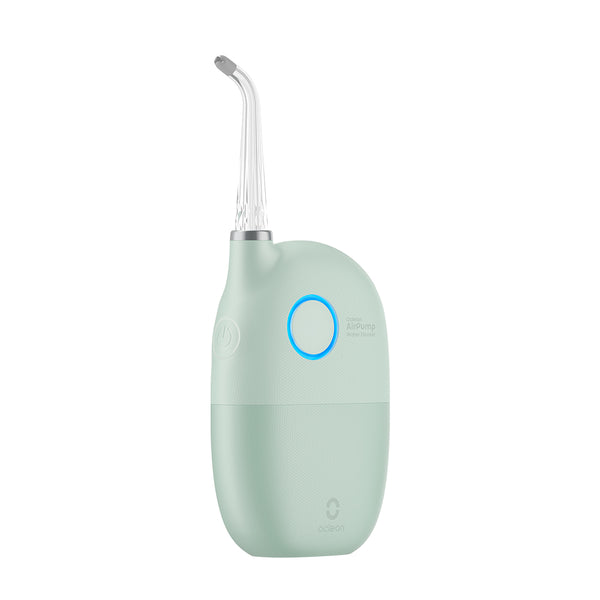
No. It may be a suitable interdental tool for your routine, but it cannot replace the examination and treatment needed for existing tartar or gum disease.
Why clean daily if I still need dental appointments?
Home care and professional care have different roles. A daily routine helps manage removable plaque, while dental visits assess your needs and address problems that cannot be managed with brushing alone.